Covers 18 European islands, from Crete and the Cyclades to Sicily, Sardinia, Mallorca, the Canaries, Madeira and the Azores, with euro prices converted to dollars on a dated rate.
Updated
This page carries dated prices, schedules or seasonal facts checked on the date above, and that window has now passed. Re-check the sources at the foot of the page before you book.
Winter is the Canary Islands' high season. Northern Europeans fly south for mild, dry days, and the hotels price January above July. In our climate dataset, daytime highs from December to February sit at 69 to 71°F (21 to 22°C) on all four big islands, and rain is light. That is the deal: reliable shirt-sleeve weather in Europe, with hotel rooms from $107 a night in January.
What the Canaries do not offer in winter is warm sea. The Atlantic here is at its coolest from January to March, and most visitors swim in heated hotel pools. This page ranks the four islands on December to February weather plus everything else that makes a trip work. Tenerife comes out on top, but the gap from first to last is just over half a point. The scores sit near 6 out of 10, lower than each island's all-year score, for a reason explained below.
At a glance
Best for winter sun
Tenerife: the warmest winter sea of the four and the most to do on a mild day
Cheapest January room
Fuerteventura, $107 in Corralejo on January 13, 2027, taxes in
Driest in winter
Fuerteventura, in the rainfall data for its airport
Best winter month
December scores highest on all four islands; January is the coolest
What you will not get
Warm sea: 66 to 71°F (19 to 22°C) from December to February
Warmer instead
The Caribbean, with nonstop flights; see our January ranking
The ranking
Score = the island's overall score, with islands that suit this kind of trip ranked first. How we score
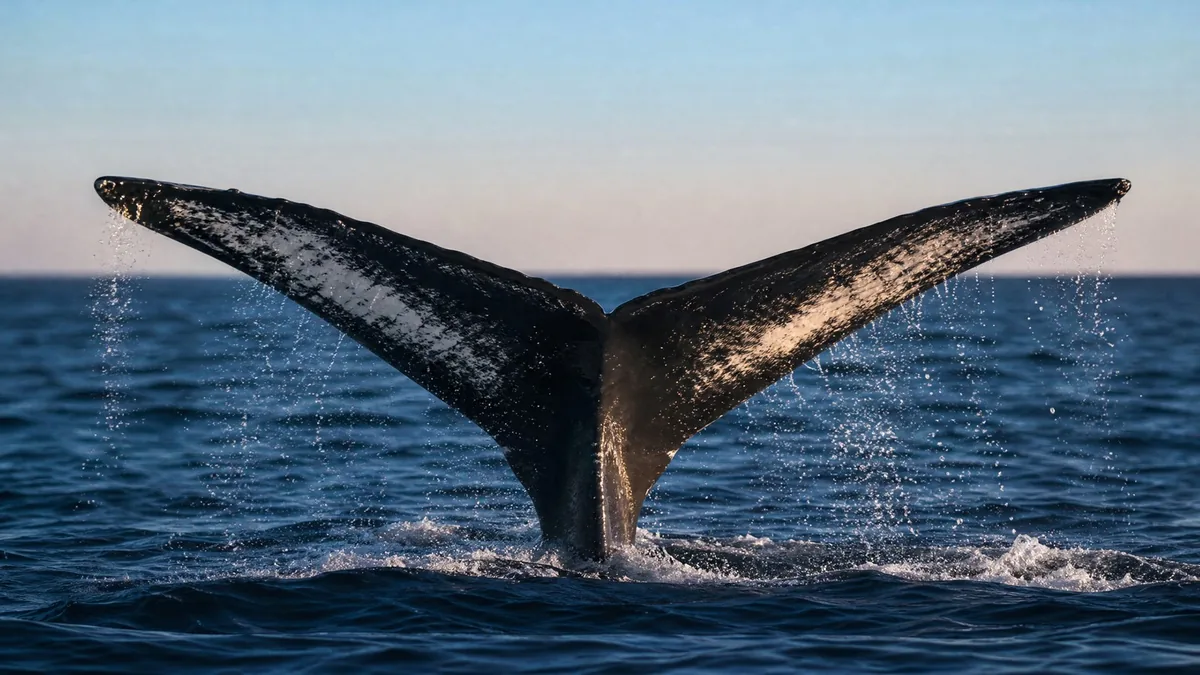
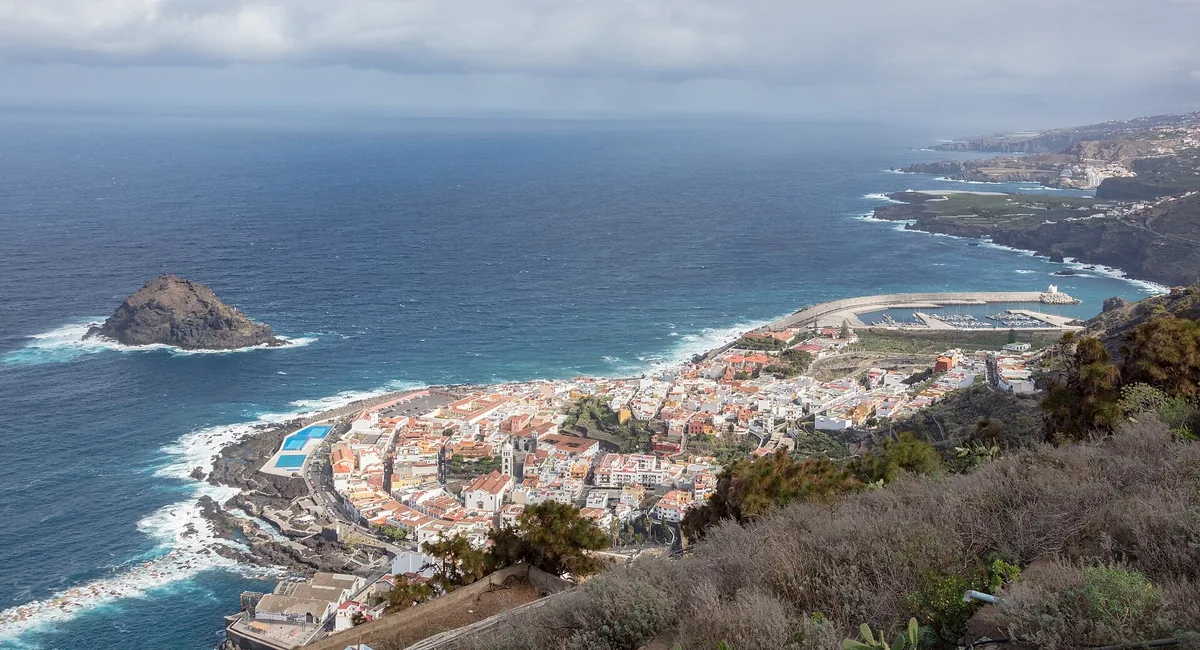
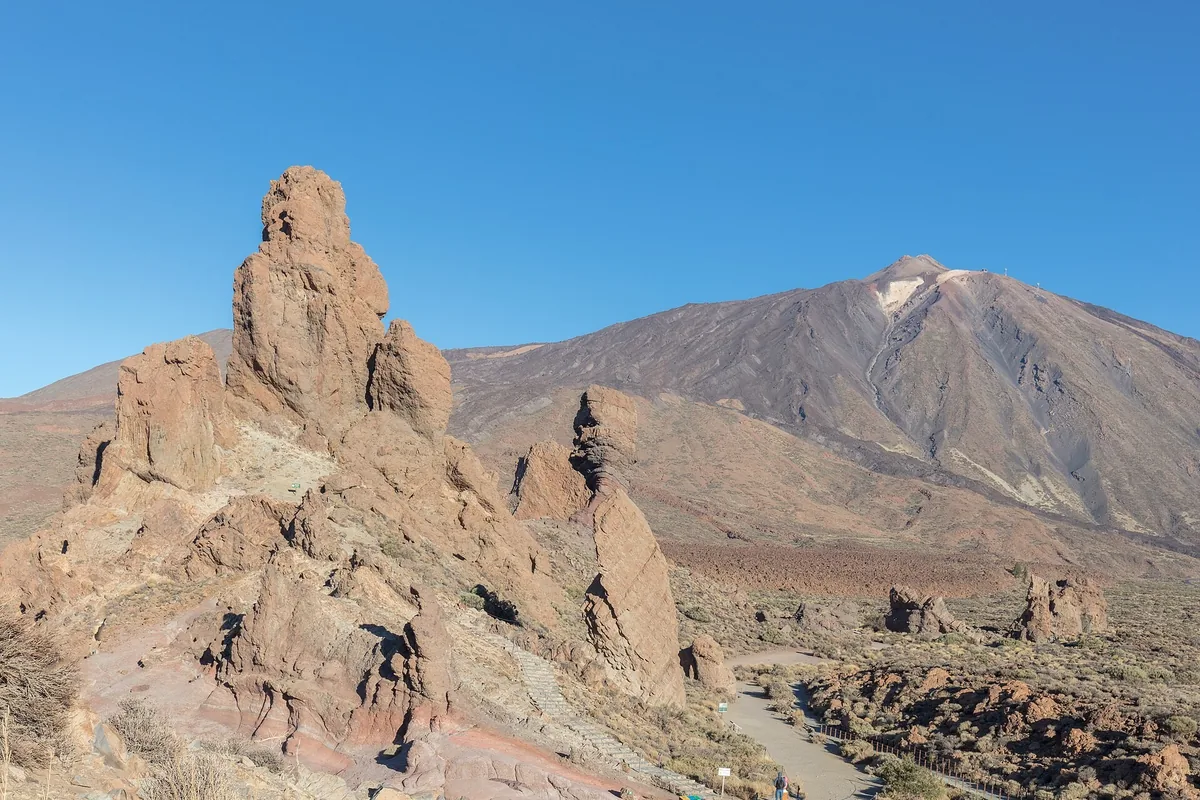
Tenerife has the best winter weather score of the four in each of December (6.5), January (5.9) and February (6.1), mostly because its sea stays a little warmer: 71°F (22°C) in December and 69°F (about 20 to 21°C) in January and February in our data. It also has the most to do on a day too cool for the beach: Teide National Park, La Laguna's old town and whale-watching boats from the southern marinas. Stay on the south coast, which is drier and sunnier than the cloudier north. Winter trails on Teide can close for ice and snow. Rooms were $124 on January 13, 2027.
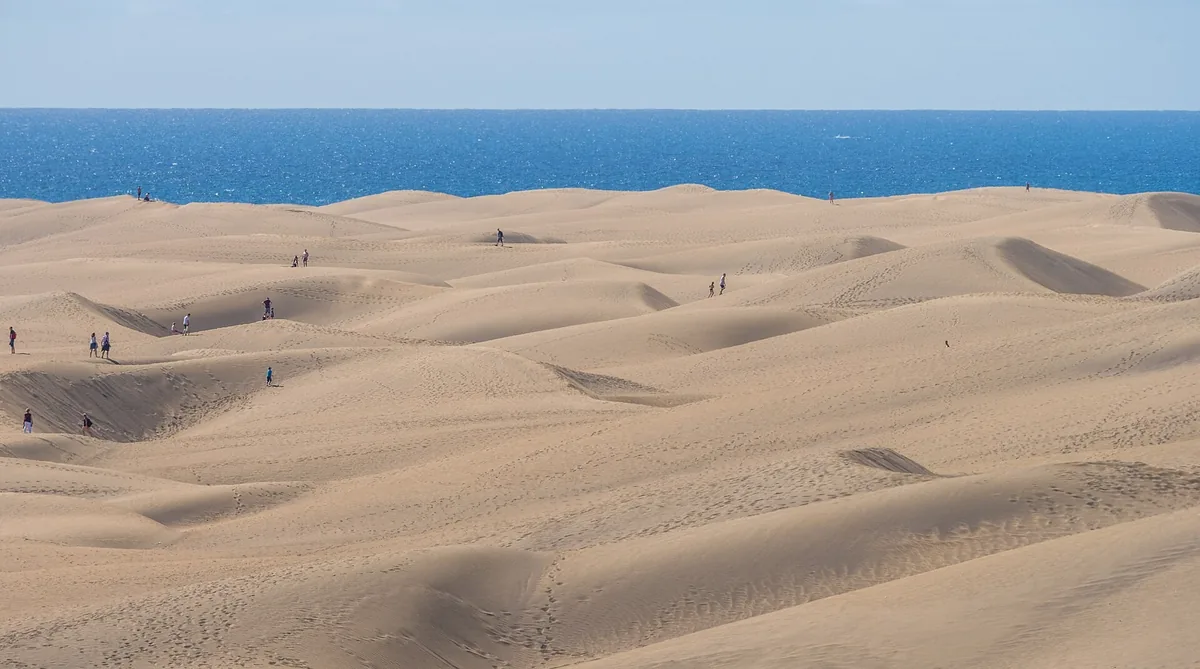
Gran Canaria runs Tenerife close in winter. Its month scores are a tenth or two lower (6.4 in December, 5.8 in January, 5.9 in February), and its sea is nearly the same, 69°F (21°C) in January and 68°F (20°C) in February. It falls behind on things to do and on price: the cheapest Playa del Inglés room was $161 on January 13, 2027. For winter it has one advantage Tenerife lacks, a working city. Las Palmas has museums, cafés and Las Canteras, a city beach sheltered by an offshore rock bar. Air Transat adds seasonal winter flights from Montreal and Toronto from mid-December 2026.
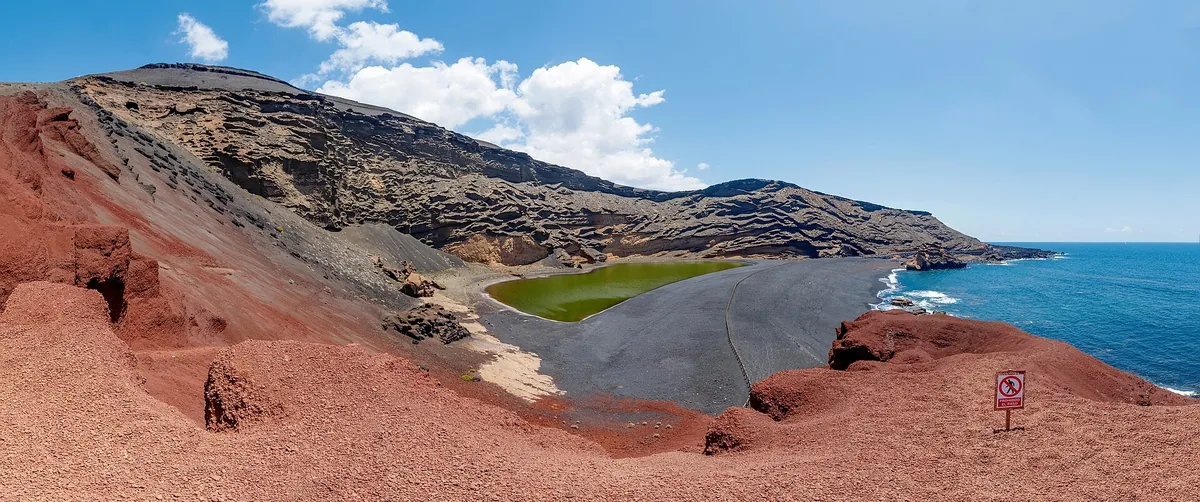
Lanzarote is one of the driest islands in the group, so rain rarely spoils a winter day. What drops it to third is the sea: in our data it falls to 66°F (19°C) in February, the coolest of the four along with Fuerteventura, which pulls its January and February scores down to 5.6. Hotels cost the most here, $169 in Puerto del Carmen on January 13, 2027. Winter suits its sights, though. Timanfaya National Park opens every day from 9 a.m. to 3:45 p.m. for $34 (€30), and Jameos del Agua and Cueva de los Verdes are underground, out of the wind.
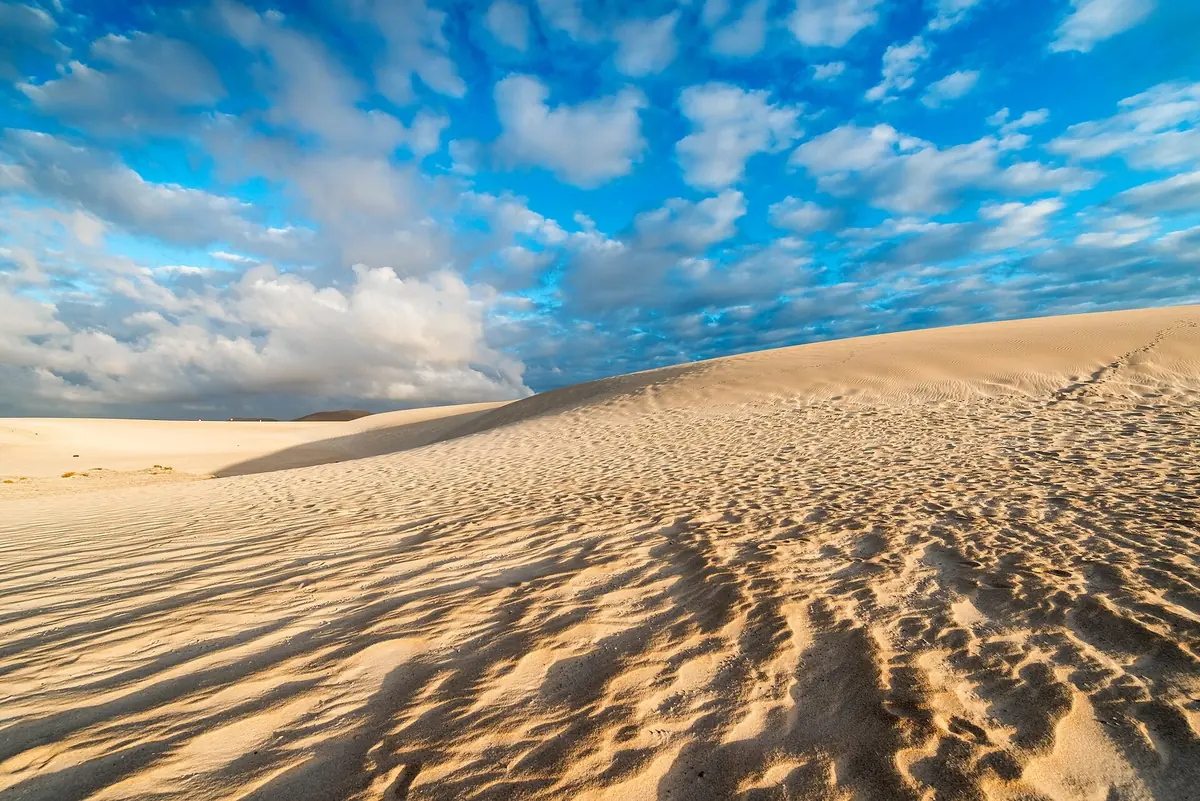
Fuerteventura is the driest of the four and the cheapest in winter: $107 for a Corralejo room on January 13, 2027, taxes in. Its winter weather scores match Lanzarote's in December (6.2) and sit a tenth lower in January and February (5.5), with the sea down to 66°F (19°C) in February. Winter is also its calmer season for wind, which suits beach walkers more than kitesurfers. It ranks last because it has the least to do when the day is too cool to swim: things to do score 5.5, against 9 for Tenerife. Pair it with Lanzarote by ferry from Corralejo.
For this page, 60% of each island's score is its average weather score for December, January and February. The other 40% is everything else in our method: beaches, things to do, getting there from the US, value and room to breathe, with the 0.4-point deduction for an island whose page verdict is "it depends." Weather scores come from our climate dataset for each gateway airport and the sea around it. The full method is in how we score islands.
Why do the scores sit near 6? Our weather scale is built to compare 64 islands, most of them tropical. It gives full temperature marks only to daytime highs between 81 and 88°F (27 and 31°C), and full sea marks at 79°F (26°C). A 70°F winter day in the Canaries scores low on warmth and full marks on rain. Compare the four with each other, not with Aruba.
What December to February is really like
All four islands have almost the same winter air. In our data, December highs are 71°F on each island, January highs 69 to 70°F and February highs 70°F. The difference is the sea, which cools through the winter on every island. It is warmest off Tenerife and Gran Canaria and coolest off Lanzarote and Fuerteventura, which drop to 66°F by February. Many people manage a short swim on a calm, sheltered beach; few spend the afternoon in the water.
Where you stay matters more than which island. On Tenerife and Gran Canaria, the south coasts are drier and sunnier, and the north coasts and mountains catch the trade-wind clouds. That is why the resorts sit around Los Cristianos, Costa Adeje, Playa del Inglés and Puerto de Mogán. The two weather spoilers are winter Atlantic low-pressure systems, which bring the season's rain, and calima, the Saharan dust that can haze the sky for a few days. Hurricanes are not a winter concern: the Atlantic season runs June 1 to November 30, and the islands sit outside the usual tracks.
December, January or February?
December scores highest on all four islands, because the sea still holds some of its autumn warmth. It is also the busiest stretch around Christmas and New Year, so book early. January is the coolest month for air on every island and, with February, the lowest-scoring. February is a touch warmer on land, but the sea is near its low, especially off Lanzarote and Fuerteventura.
If you can move your dates, look at November or March. Every island scores better in November than in any winter month, and March edges ahead of February. For the full picture month by month, each island page has a 12-month climate table.
The Canaries or somewhere else in winter?
Be honest about what you want. If it is sea you can float in for hours, the Canaries are the wrong choice in winter. In our data, Puerto Rico's January weather score is 9.6, with highs of 82°F (28°C) and a sea of 81°F (27°C). It has nonstop flights from 41 US airports, needs no passport, and the cheapest 3-star-plus room in San Juan was $120 on January 13, 2027. Our best Caribbean islands in January and best islands in January rankings cover the warm options.
The Canaries make more sense if you are already headed to Europe, want mild walking weather rather than heat, or want a European city and food culture with your sun. Within Europe they are the warm choice. Madeira, the closest alternative, scores 4.1 to 4.2 for winter weather against 5.5 to 6.5 here: it is cooler and much wetter, but better for hiking and cheaper, at $75 for a 4-star Funchal room in January. The Mediterranean islands score around 4 in winter and many of their beach hotels close.
Getting there in winter
There is no US nonstop to any Canary Island. United's Newark-Tenerife route ended on May 2, 2025, and its planned winter return was dropped. You connect in Madrid, Barcelona, Lisbon or another European hub. In winter there are also Canadian options: Air Canada lists seasonal flights to Tenerife South from Toronto starting October 26, 2026 and from Montreal starting November 1, 2026, and Air Transat flies to Gran Canaria from Montreal from December 13, 2026 and Toronto from December 14, 2026.
A US citizen needs a passport valid at least 3 months beyond departure. Since April 10, 2026 the EU's Entry/Exit System takes fingerprints and a photo at your first Schengen border. ETIAS is not yet in operation and has no start date. See our passport rules guide. Book early: winter is peak season, and on all four islands our January room cost more than the July one. For the year-round picture, see our Canary Islands ranking.
Booking through these links supports this site at no cost to you. Prices move by date, so we do not print them here; the official prices we checked are in the page above.
Frequently asked questions
Which Canary Island is the warmest in winter?
On land, there is almost no difference: our data puts December to February highs at 69 to 71°F on all four islands. Tenerife has the warmest winter sea of the four, which is why it scores best for winter. Within each island, the south coasts of Tenerife and Gran Canaria are sunnier than the north.
Can you swim in the Canary Islands in winter?
Briefly, if you like cool water. The sea is at its coolest from January to March, from about 66°F off Lanzarote and Fuerteventura in February to 69°F off Tenerife. Sheltered beaches such as Los Cristianos on Tenerife or Amadores on Gran Canaria are the most comfortable, and most hotels have heated pools.
Is it sunny in the Canary Islands in January?
Mostly. Rain is light on all four islands in winter, and Fuerteventura is the driest in our data. Clouds collect on the north coasts and mountains of Tenerife and Gran Canaria, and Saharan dust can haze the sky for a few days, so base yourself on a south coast.
Is Madeira or the Canary Islands better in winter?
For sun, the Canaries. Madeira's winter weather scores are 4.1 to 4.2 against 5.5 to 6.5 for the Canaries, because it is cooler and much wetter. Madeira is the better winter choice for hiking the levadas, but it has few sand beaches.
Kayak hotel searches, San Juan and Funchal– Comparison January rooms: San Juan $120 and Funchal $75 for January 13, 2027, as recorded on those island pages; checked October 20, 2026

 1