Covers 18 European islands, from Crete and the Cyclades to Sicily, Sardinia, Mallorca, the Canaries, Madeira and the Azores, with euro prices converted to dollars on a dated rate.
Updated
This page carries dated prices, schedules or seasonal facts checked on the date above, and that window has now passed. Re-check the sources at the foot of the page before you book.
The four big Canary Islands sit in the Atlantic off the coast of Morocco, about 3,300 to 3,450 miles (5,300 to 5,550 km) from New York. They share a climate, a ferry network and one problem for Americans. Since United ended its Newark-Tenerife flight on May 2, 2025, no airline flies nonstop from the US. You connect in Madrid, Barcelona, Lisbon or another European hub.
What separates them is what you do once you land. All four score within 0.7 points of each other, from 7.1 down to 6.4 out of 10, so your kind of trip matters more than the rank. Tenerife wins because it has the most to do and some of the cheapest rooms. Fuerteventura has the best sand and little else. Gran Canaria comes with a real city. Lanzarote is the calm, design-led one. The cards below show each island's score and the reason it sits where it does.
At a glance
Best overall
Tenerife, 7.1/10: the most to do in the Canaries and $124 January rooms on the south coast
Best beaches
Fuerteventura (beach score 8/10), which also had the cheapest rooms: $107 in January, $93 in July
Best for two
Lanzarote: Manrique's volcano architecture, La Geria wine country and quiet Playa Blanca
Best with a city
Gran Canaria, for Las Palmas and its sheltered city beach, Las Canteras
Getting there
No US nonstop since United ended Newark-Tenerife on May 2, 2025; one connection in Europe
Skip the Canaries if
You want warm sea in January: the Atlantic here is at its coolest in late winter
The ranking
Score = the weighted average of six factors. How we score
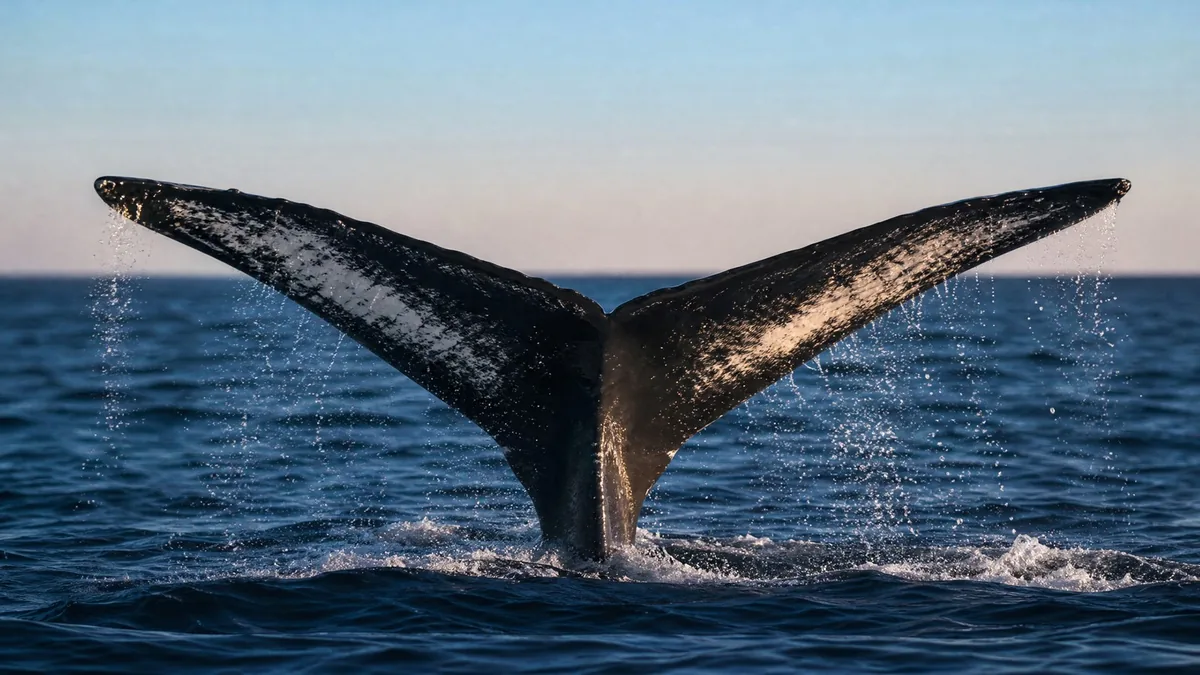
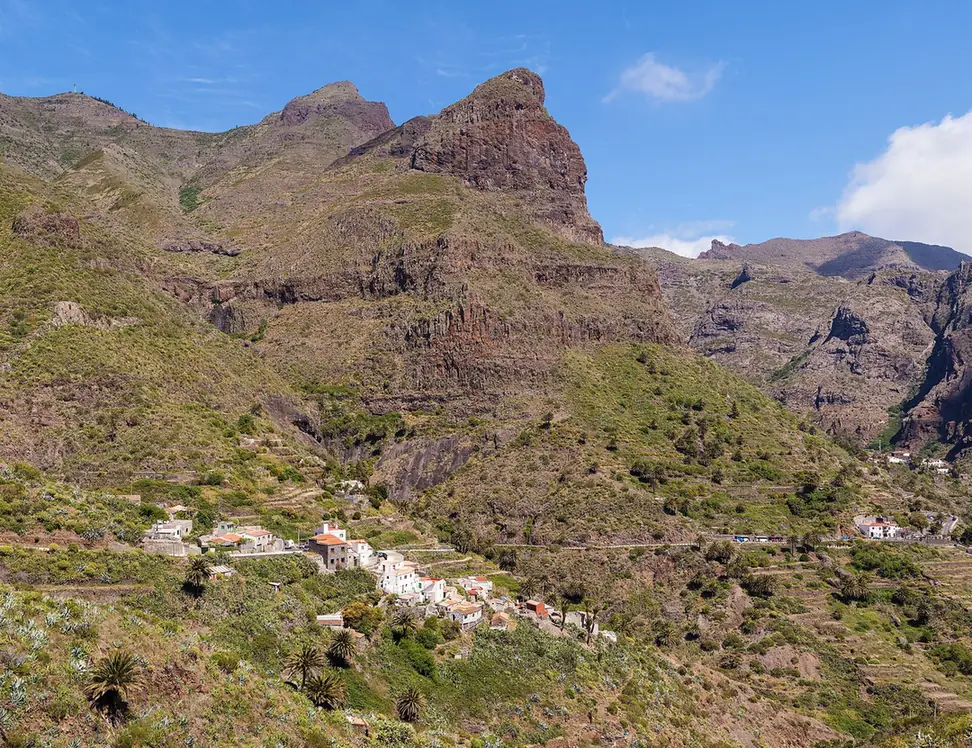
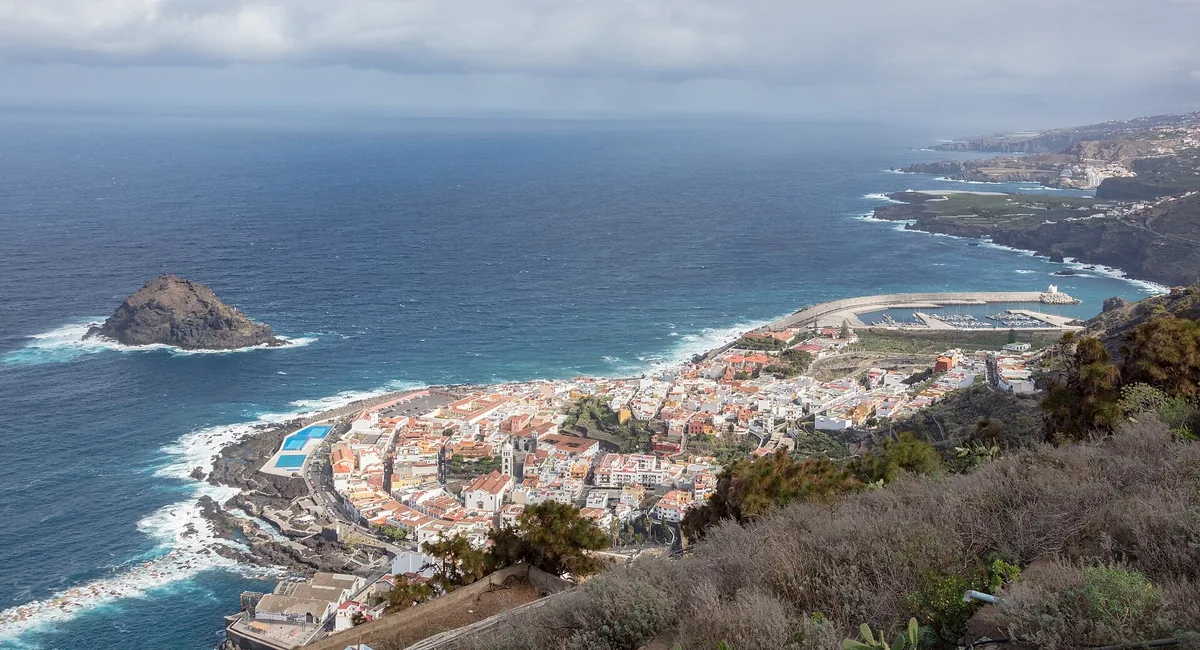
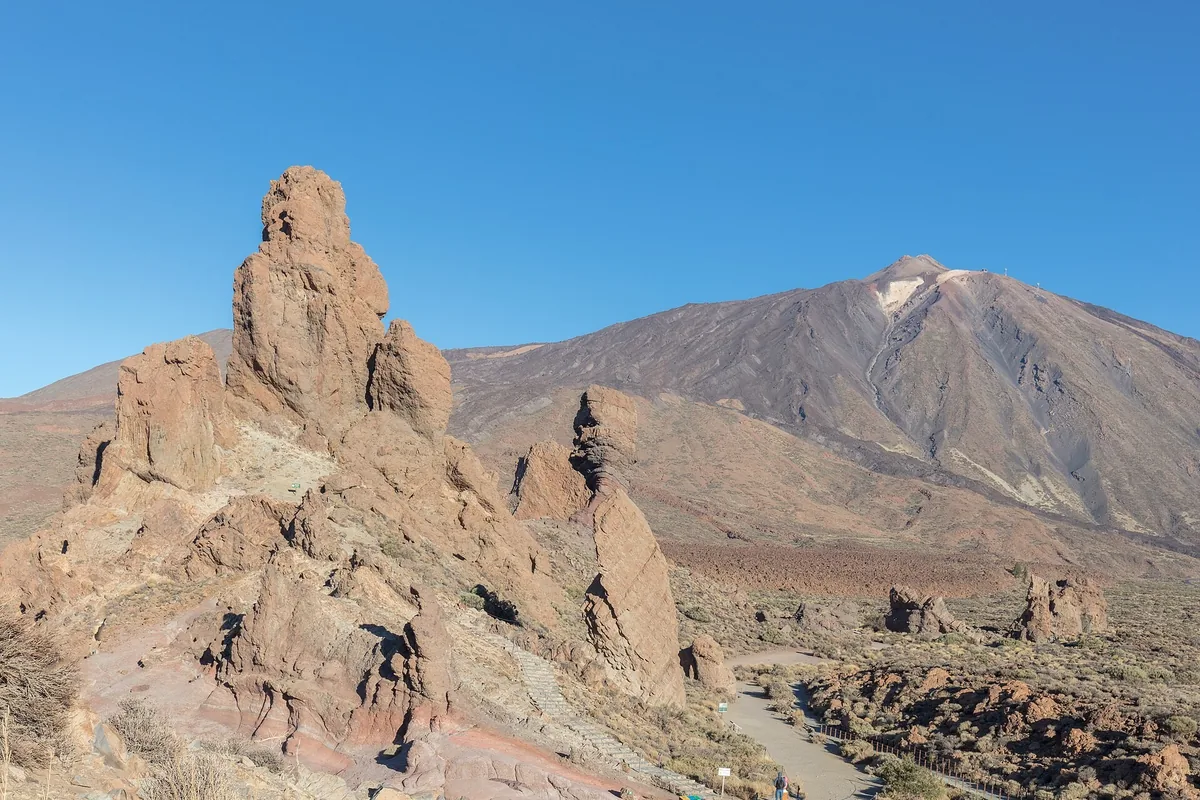
Tenerife wins on breadth. Its things-to-do score of 9 is the highest in the Canaries: the Teide cable car (from $48 return), the UNESCO old town of La Laguna, laurel-forest hikes in Anaga, whale-watching boats and a day ferry to La Gomera. Value lifts it too. The cheapest 3-star-plus room on the south coast was $124 on January 13, 2027 and $92 on July 14, 2027, taxes in. The catch is the beaches, which score only 6: calm, but mostly sheltered by breakwaters. It is also the busiest island, with 7.56 million tourists in 2025 by the islands' statistics office, so it scores 3.9 for room to breathe.
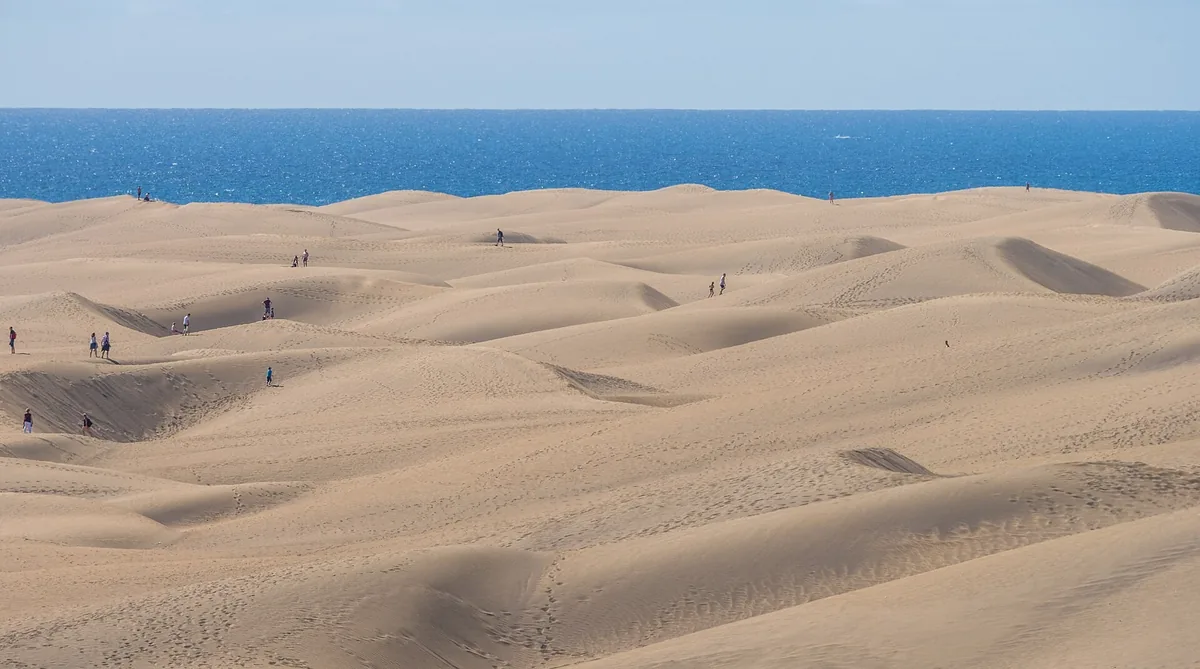
Gran Canaria loses to Tenerife by a tenth of a point, and the gap is price and variety. Its south-coast hotels cost more on our dates, $161 in January and $139 in July in Playa del Inglés, which drops its value score to 6.4 against Tenerife's 7.7. It wins on sand (7 against 6): Maspalomas and Playa del Inglés run together into one long dune-backed beach, and Las Canteras in Las Palmas is a city beach calmed by an offshore rock bar. Pick it if you want a real city with buses and nightlife. Solo travelers can manage here without a car.
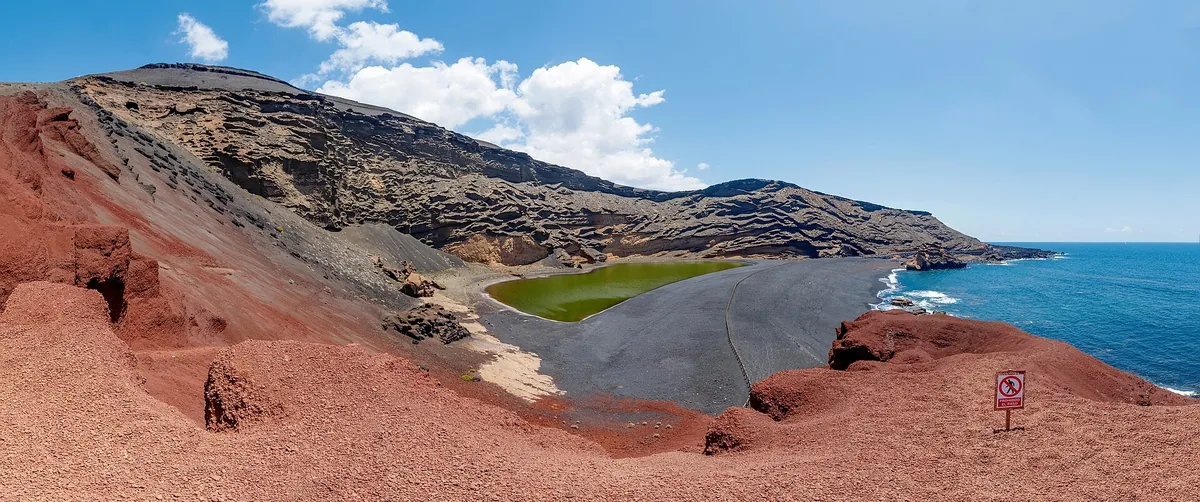
Lanzarote scores lowest of the four on value (6.2) and crowds (3.6). Its Puerto del Carmen hotel was $169 in January and $151 in July, the highest floor we found in the Canaries. What it offers instead is a landscape unlike the rest of the group. Timanfaya National Park costs $34 (€30) per adult, with children up to 6 free, and César Manrique's Jameos del Agua and Mirador del Río are run like small museums. The golden Papagayo coves near Playa Blanca are calm but sit at the end of a dirt road. It is the only Canary Island our editors tag for couples.
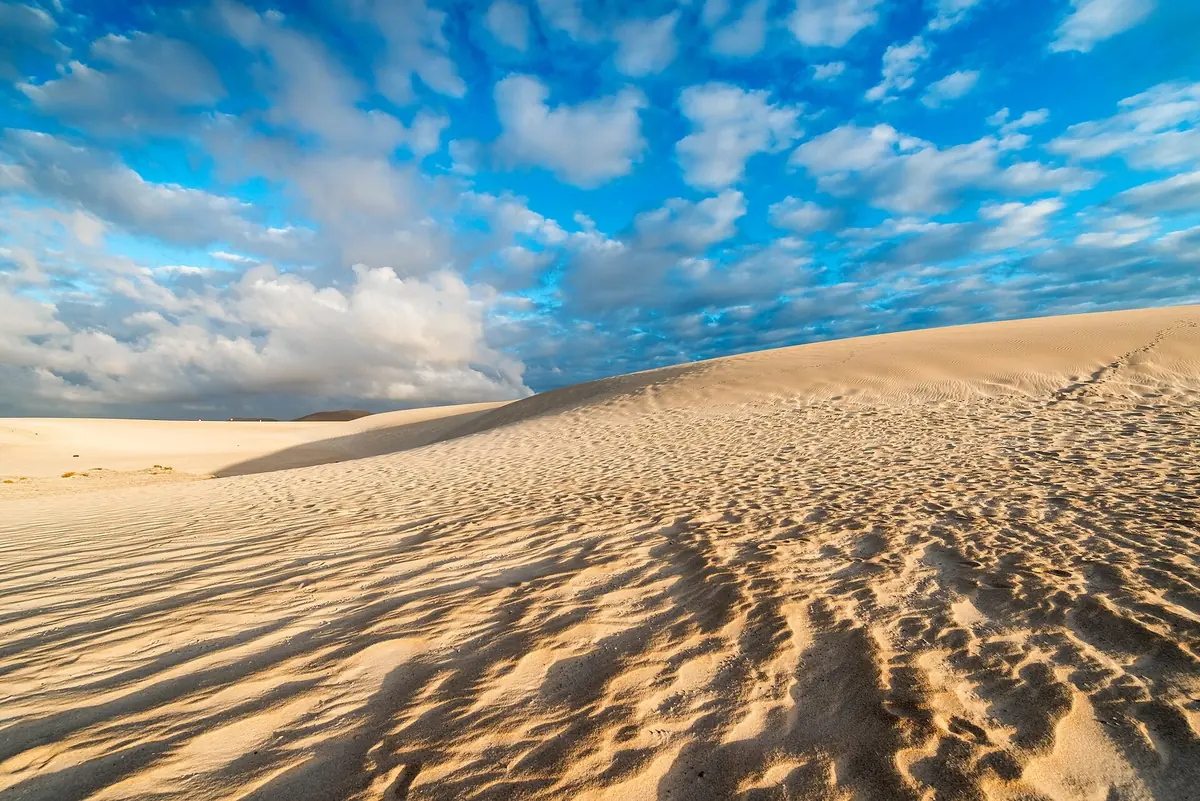
Fuerteventura has the best beaches in the Canaries by our score (8): the dune-backed Grandes Playas de Corralejo, the Sotavento lagoon and the El Cotillo coves. It also had the cheapest rooms, $107 in January and $93 in July in Corralejo. Two things hold it back. Things to do score 5.5, because after the kite schools, the dunes, Isla de Lobos and old Betancuria, the list runs out in two or three days. And its island page verdict is conditional, which costs 0.4 points under our method. Expect wind for much of the year, strongest in summer.
Every island on the site gets six scores out of 10: weather (20% of the total), beaches (25%), things to do (25%), getting there from the US (10%), value (10%) and room to breathe (10%). Weather, access, value and crowds are computed from data: climate records for the gateway airport and the sea around it, distance from four US hubs plus nonstop flights, Kayak hotel prices for January 13 and July 14, 2027, and visitors per unit of land area. Beaches and things to do are our editors' scores, with the reasons written on each island page. An island whose page verdict is "it depends" gives up 0.4 points. The full method is in how we score islands.
In the Canaries, two of the six factors barely move. The weather scores run from 8.0 to 8.7 and the access scores from 4.7 to 4.8, because the islands are neighbors with the same flight problem. The ranking is decided by beaches, things to do and hotel prices. Without its conditional verdict, Fuerteventura's raw numbers would place it just above Lanzarote.
Which Canary Island for which trip
Because the scores are close, use the rank as a tiebreaker and pick by trip type:
The most to do, mixed ages: Tenerife. A volcano, two big family parks, old towns and whale boats. See our Canary Islands for families ranking.
A long sand beach plus a city: Gran Canaria. Stay south for Maspalomas or in Las Palmas for Las Canteras and the Vegueta old quarter.
A slow week for two: Lanzarote. Wine, volcano parks and quiet evenings in Playa Blanca. Our Canary Islands for couples page explains why it moves up there.
A beach or wind-sports week on a budget: Fuerteventura, for Corralejo's dunes and kite lessons at Sotavento.
Two islands in one trip: the ferry from Playa Blanca on Lanzarote to Corralejo on Fuerteventura links the two eastern islands, and boats from Los Cristianos reach La Gomera from Tenerife.
Walking, not beaches: skip the Canaries and look at Madeira, the Portuguese island to the north, which scores a 9 for things to do and a 3 for beaches.
What a room costs on each island
These are the cheapest doubles in a hotel rated 3 stars or better in each island's main resort area, for 2 adults, taxes and fees included, as Kayak showed them on October 20, 2026:
Island
Area priced
Wed, January 13, 2027
Wed, July 14, 2027
Fuerteventura
Corralejo
$107
$93
Tenerife
Los Cristianos, Playa de las Américas
$124
$92
Gran Canaria
Playa del Inglés
$161
$139
Lanzarote
Puerto del Carmen
$169
$151
Two things stand out. Winter is the high season here, driven by Northern Europeans escaping the cold, so January costs more than July on all four islands. And cheaper rooms often sit just outside the main strip: on Lanzarote, Kayak showed 3-star rooms in the capital, Arrecife, from $119 in January and $89 in July. We found no regional tourist tax in force in the Canary Islands as of October 20, 2026. For the big paid sights, budget $48 per adult for the Teide cable car return and about $82 per adult for Lanzarote's four main Manrique and volcano centers at their posted prices.
The sea is the catch
The Canaries are subtropical, not tropical. In our climate dataset, January daytime highs sit at 69 to 70°F (21°C) at all four gateway airports. The sea is at its coolest in late winter, around 66 to 69°F (19 to 20°C) in February, which is why many winter visitors swim in heated hotel pools. It warms through the summer and peaks from August to October, at about 77°F (25°C) off Tenerife and 72 to 73°F (22 to 23°C) off Lanzarote and Fuerteventura.
That shapes the month scores. Every island scores best from July to October and lowest in January and February, though even then rain is light. If you are going for winter sun, read our Canary Islands for winter sun ranking, which weights December to February. The islands sit outside the usual hurricane tracks, but not entirely out of reach: the National Hurricane Center's report on Hermine records that the storm's remnants brought record rainfall and flooding to the Canaries in September 2022. Saharan dust, called calima, can haze the sky for a few days at a time. Our storm seasons guide compares the risk with the Caribbean.
Getting there from the US, and entry rules
Each island has its own airport: Tenerife South (TFS) for the southern resorts, Gran Canaria (LPA), Lanzarote (ACE) and Fuerteventura (FUE). None has a US nonstop. United flew Newark to Tenerife South until May 2, 2025 and dropped its planned winter return. Plan one connection in Madrid, Barcelona, Lisbon or another European hub. From Canada, Air Canada lists seasonal Tenerife flights from Toronto starting October 26, 2026 and from Montreal starting November 1, 2026, and Air Transat flies to Gran Canaria from Montreal from December 13, 2026 and from Toronto from December 14, 2026.
The islands are part of Spain and the Schengen area. A US citizen needs a passport valid at least 3 months beyond departure and no visa for stays of up to 90 days in any 180-day period. Since April 10, 2026 the EU's Entry/Exit System takes your fingerprints and photo at the border instead of a passport stamp. ETIAS, the EU travel authorization, is not yet in operation and has no start date; its fee will be $22 (€20). Our passport rules guide has the details. Bringing a dog is ordinary EU paperwork with no quarantine: a microchip, a rabies shot at least 21 days before travel and a USDA-endorsed health certificate.
Booking through these links supports this site at no cost to you. Prices move by date, so we do not print them here; the official prices we checked are in the page above.
Frequently asked questions
Which Canary Island is best for a first visit?
Tenerife, for most people. It has the most to do, from Mount Teide to the old town of La Laguna, and its south-coast hotels were among the cheapest we priced: $124 in January and $92 in July. Pick Gran Canaria instead if you want a long sand beach and a city, or Lanzarote for a quieter trip.
Which Canary Island has the best beaches?
Fuerteventura, which scores 8 out of 10 for beaches thanks to the Grandes Playas de Corralejo, the Sotavento lagoon and El Cotillo. Gran Canaria and Lanzarote score 7, Tenerife 6. Fuerteventura's beaches are often windy, so pick sheltered spots like Caleta de Fuste or the El Cotillo lagoons for calm days.
Is there a direct flight from the US to the Canary Islands?
No. United's Newark-Tenerife flight ended on May 2, 2025, and as of October 2026 no airline flies nonstop from the US to any of the four islands. You connect in a European hub such as Madrid or Lisbon, or in Canada on seasonal winter flights to Tenerife and Gran Canaria.
Is Tenerife or Gran Canaria better?
Tenerife scores 7.1 and Gran Canaria 7.0. Tenerife has more to do and its south-coast hotels were cheaper on our dates. Gran Canaria has better sand at Maspalomas and a livelier capital in Las Palmas. Families wanting variety usually pick Tenerife; beach walkers and city lovers pick Gran Canaria.
Do Americans need ETIAS for the Canary Islands?
Not yet. The European Commission says ETIAS is not in operation and has announced no start date. You need a US passport valid at least 3 months beyond departure, and the Entry/Exit System records your fingerprints and photo on arrival.

 1