Covers 25 islands from Puerto Rico and the Virgin Islands to Aruba, the Bahamas, Bermuda, Cozumel and Roatán, with prices, flights and entry rules checked at the source.
Updated
This page carries dated prices, schedules or seasonal facts checked on the date above, and that window has now passed. Re-check the sources at the foot of the page before you book.
September is the hardest month to recommend anywhere in the Caribbean. The NOAA National Hurricane Center puts the peak of the Atlantic season on September 10, and the scores on this page are the lowest of any month: the eighth-placed island scores 6.94, against 8.66 in January.
That does not mean every September trip ends badly; most do not. It means you are buying a higher risk of a cancelled flight, a closed resort or a wet week. The islands that handle that risk best sit in the far south. Curaçao leads, followed by Aruba, with Grenada and Bonaire next. No US territory makes the top eight, so this is a passport month.
At a glance
Best overall
Curaçao, with about 1.8 inches of rain and a low storm record
Season peak
September 10, per the NOAA National Hurricane Center
Hottest days
Curaçao, 90°F, its hottest month of the year
Best no-passport option
Puerto Rico, 11th: none makes the top eight
Honest advice
Move your dates if you can: Jamaica, Martinique and Antigua score about a point higher by November
The ranking
Score = 55% this month's weather + 45% the island's other five factors. How we score
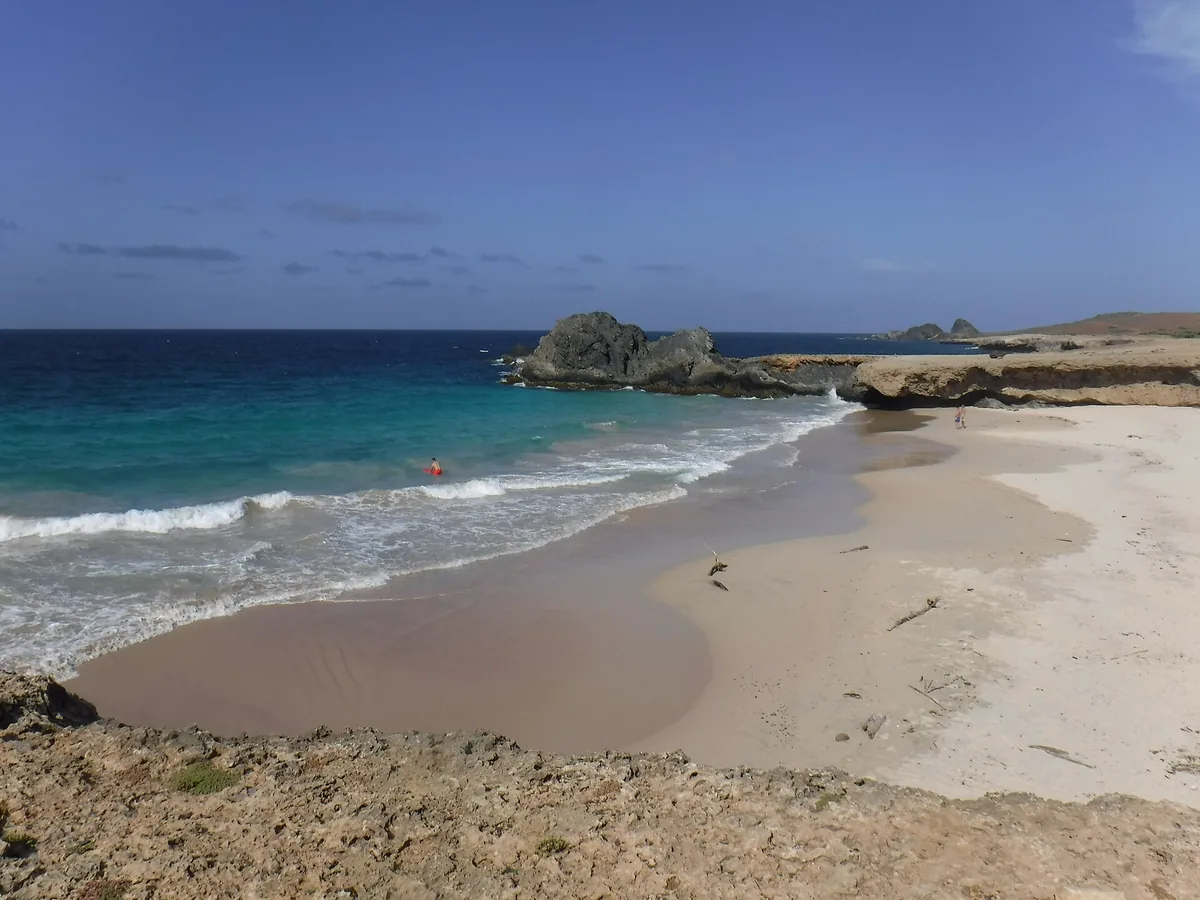
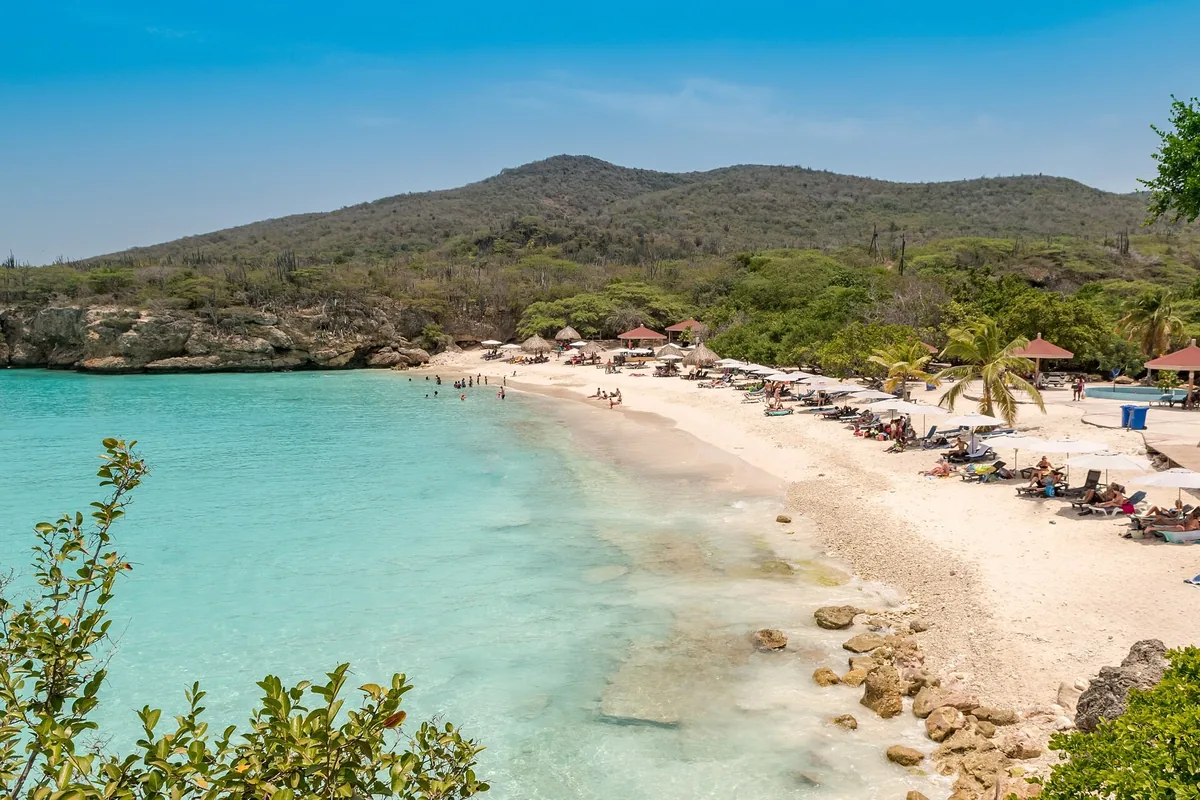
Curaçao leads September, but at 8.12 it is its lowest score of the year. Rain stays light, about 1.8 inches, and only one hurricane center has passed within 50 nautical miles since 1950, so its halved storm deduction is the smallest exposure on the list. The cost is heat: 90°F (32°C) days, its hottest month, with an 85°F (29°C) sea. Spend mornings at Shete Boka or the west-coast coves and afternoons indoors at the Kura Hulanda museum in Willemstad. Rooms from $62.
Aruba is second, with the driest September here, about 1.6 inches, 89°F days and an 84°F sea. Two hurricanes have passed within 50 nautical miles since 1950, Anna and Felix, which is why its storm deduction is halved. Its beaches score 9: Eagle Beach and Palm Beach stay calm on the sheltered west coast. Price and crowding hold it below Curaçao, with the cheapest Noord room at $173 on our summer check. A good September pick for families who will not compromise on calm water.
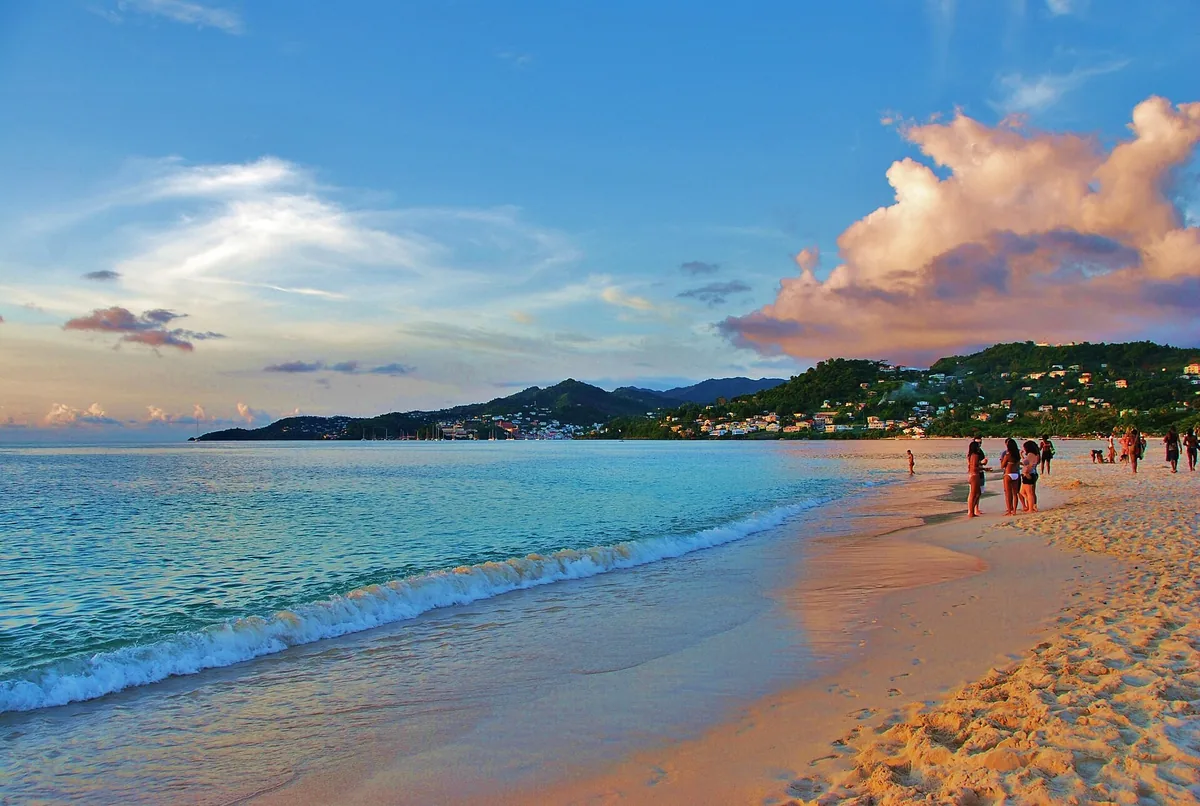
Grenada is third on a halved storm deduction, an 86°F sea and about 3.6 inches of rain. It is quiet and good value, with rooms in the southwest from $96 to $100 on our dates, and Grand Anse is calm for swimming. Read the caveat before booking: our Grenada page counts six hurricanes within 50 nautical miles since 1950, including Beryl in 2024, and suggests the ABC islands for anyone worried about storms. This score is more generous than its record.
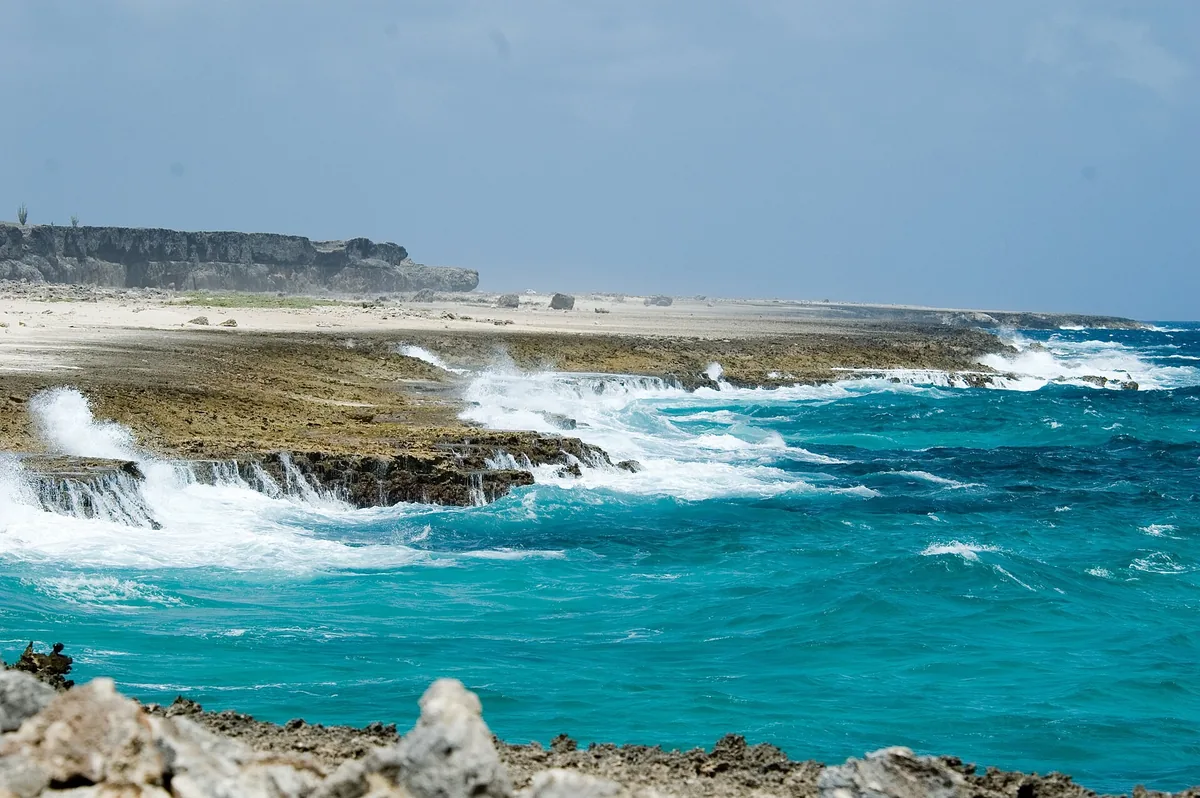
Bonaire is fourth and has the best September weather score on this list, 8.7, with about 2.0 inches of rain and an 85°F sea. It ranks below the leaders because its beaches score 5 and our page rates it conditional, since non-divers run short of things to do. For divers, it is the strongest September choice in the Caribbean: calm, clear water along the marine park unless a distant storm sends swell. Budget the $75 entry tax and $40 nature fee on top of $95 rooms.
Jamaica is fifth, with a 6.7 weather score: about 3.7 inches of rain, 88°F days and an 87°F sea, plus the full storm deduction. Its cheap rooms and 24 US nonstop airports keep it on the list. September is the month to remember why its page is conditional: Hurricane Melissa, in late October 2025, shows that the risk runs well past the September peak. Book refundable, buy cover early and favor Negril or Ocho Rios.
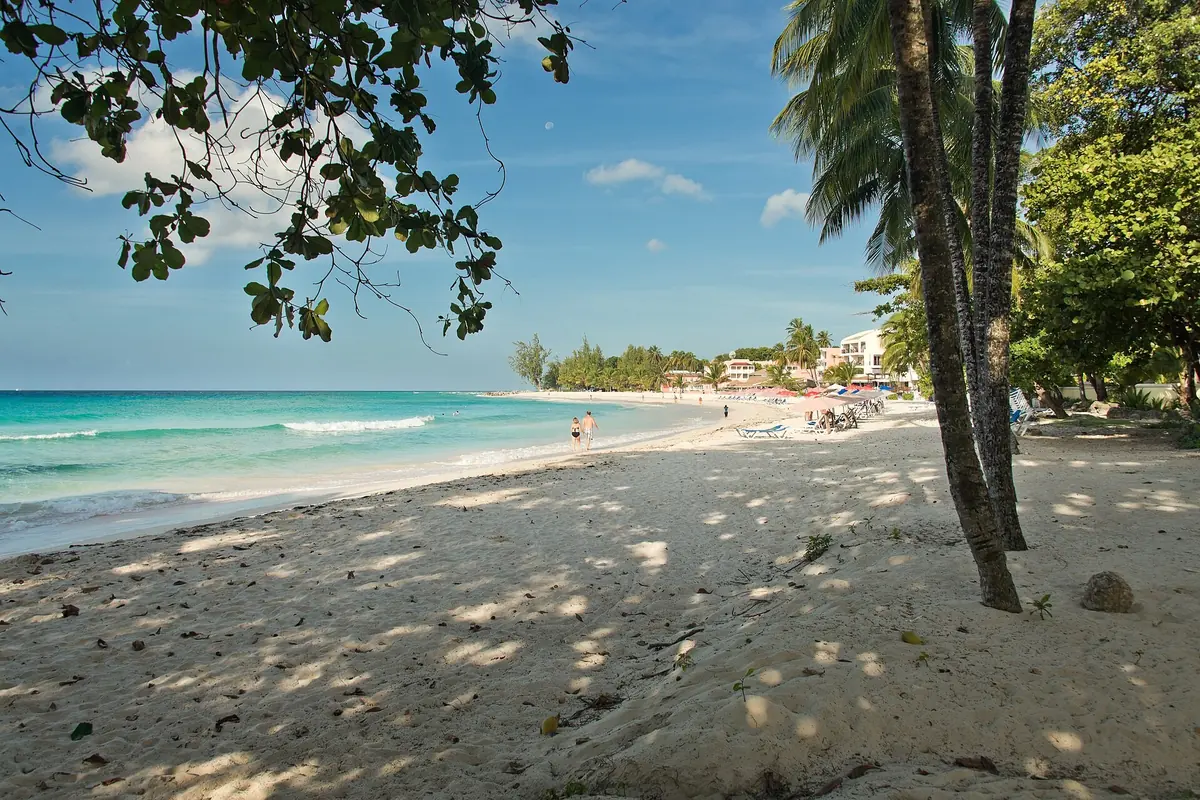
Barbados is sixth. September is wet, about 5.9 inches, mostly in heavy showers, and the sea is 87°F, warm enough to feel like bathwater on the west coast. Its storm deduction is halved because it sits east of the main chain, though six hurricanes have passed within 50 nautical miles since 1950, most recently Elsa in 2021. Its beaches score 8.5 and it is easy to reach from eight US airports. South-coast rooms were $92 on our summer date.
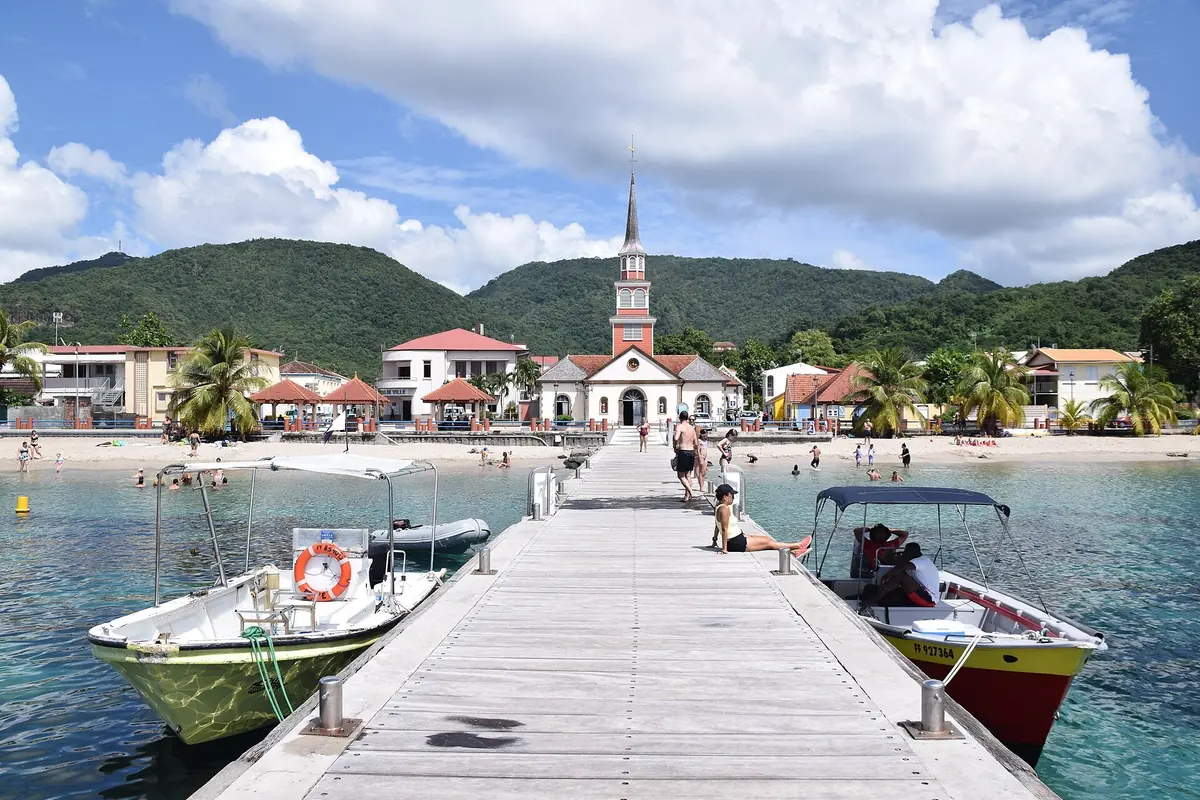
Martinique is seventh, with a 6.3 weather score: about 4.8 inches of rain, 87°F days and the full storm deduction. It lies in the main storm path; seven hurricane centers have passed within 50 nautical miles since 1950, including Maria in 2017. Its year-round strengths, things to do at 8.5 and light crowding, are what keep it here. If you go, base in the south near Sainte-Anne, where the beaches are, and keep the volcano hike for a clear day.
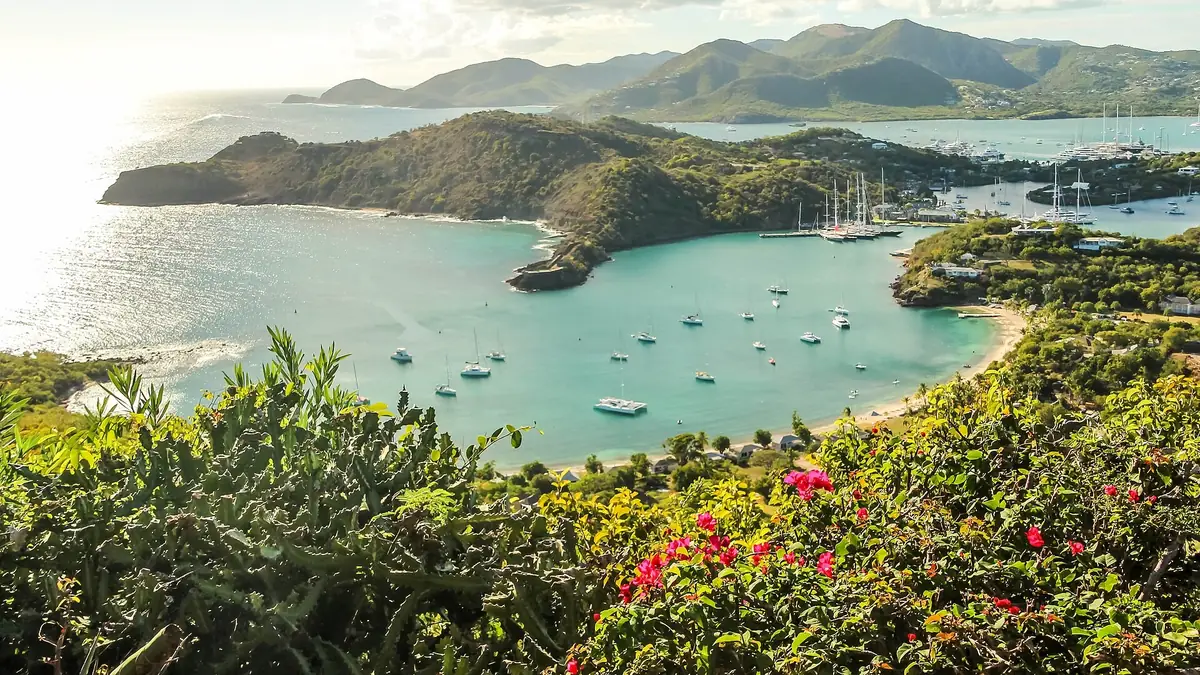
Antigua is eighth on the lowest score of any island on any of our twelve monthly Caribbean lists, 6.94. September brings about 4.4 inches of rain and the full storm deduction. Its beaches, 9 out of 10, are still the best on this page, and the west-coast bays at Dickenson Bay and Darkwood stay calm in settled weather. If you go, book refundable. Rooms in St. John's were $155 on our July date.
Each island's score is 55% September weather and 45% its year-round profile. The weather part blends daytime high, sea temperature, rain and sunshine, then subtracts our largest storm penalty of the year, 2.5 points out of 10. Aruba, Bonaire, Curaçao, Barbados and Grenada take half. The year-round part covers beaches, things to do, access from the US, hotel value and crowding. See how we score islands for the formula.
September in NOAA's numbers
NOAA's climatology, based on 1991–2020, gives an average Atlantic season 14 named storms, 7 hurricanes and 3 major hurricanes, with most activity between mid-August and mid-October and the single peak day on September 10. The islands' own records show what that means on the ground. Hurricane Irma struck St. Martin in September 2017, and Princess Juliana airport's terminal was fully rebuilt only by November 2024. Maria passed near Martinique the same month.
The southern islands are not immune, but their record is far lighter. Since 1950, one hurricane center has passed within 50 nautical miles (58 miles, 93 km) of Curaçao and two each near Aruba and Bonaire, according to the counts on our island pages from NOAA's best-track data.
Why Grenada is third, and why to read the small print
Grenada is third because our method halves its storm penalty along with the ABC islands and Barbados, and because it is quiet and good value. Its own page is more cautious. It counts six hurricanes passing within 50 nautical miles since 1950, including Ivan in 2004 and Beryl in 2024, and advises skipping August to October if storm risk worries you. Treat Grenada's September score as optimistic. If you want the lowest storm exposure, the first, second and fourth places on this list are the ones to pick.
Should you go in September at all?
Go if your dates are fixed, you pick a southern island, and you buy insurance before any storm is named. Divers in particular do well in Bonaire, where the leeward coast is usually calm. Go elsewhere, or later, if you need a guaranteed beach week or are planning a wedding or honeymoon with no flexibility.
The alternative is close for the islands further north. By November, Jamaica, Martinique and Antigua each score 0.8 to 1.05 points higher than in September. The ABC islands barely change, because their short rainy season starts in October. If you can shift by a few weeks, see the October and November rankings.
Practical September advice
Labor Day falls on Monday, September 6, 2027, and the rest of the month is quiet once US schools are back. Book refundable rooms, choose airlines with published hurricane waivers, and check the National Hurricane Center's tropical outlook in the days before you fly. On larger islands, storms can knock out power widely, as our Puerto Rico page notes. Heat is the other September issue: highs reach 90°F (32°C) on Curaçao and 89°F on Aruba, with seas of 84°F to 87°F across this list. Read our hurricane and cyclone seasons guide before you book.
Booking through these links supports this site at no cost to you. Prices move by date, so we do not print them here; the official prices we checked are in the page above.
Frequently asked questions
Is September a bad month to visit the Caribbean?
It is the riskiest. NOAA's National Hurricane Center puts the peak of the Atlantic season on September 10. Our September scores are the lowest of the year for most islands in this top eight. If you go, pick Curaçao, Aruba or Bonaire.
Where is safe to travel in the Caribbean in September?
No island is guaranteed safe, but Curaçao, Aruba and Bonaire lie south of the main track. NOAA's best-track data since 1950 shows one hurricane within 50 nautical miles of Curaçao and two each near Aruba and Bonaire.
Is Grenada outside the hurricane belt?
No. Grenada was long described that way, but six hurricanes have passed within 50 nautical miles since 1950, including Ivan in 2004 and Beryl, which hit Carriacou as a Category 4 on July 1, 2024.
Can I visit Puerto Rico in September?
You can, but it scores 11th this month. Its September rain is about 6.6 inches in our dataset and it sits in the main storm path. Buy storm cover and keep your plans flexible. See our Puerto Rico page.
How hot is the Caribbean in September?
Very. In our dataset, highs on this list run 85°F to 90°F, and the sea reaches 87°F (31°C) around Jamaica, Barbados and Martinique, the warmest of the year.


 1